Saturday, 20 June 2015

India all set to celebrate International Yoga Day

NEW DELHI, India – Thousands are set to roll out their mats in the heart of the Indian capital Sunday, June 21, to celebrate the first International Day of Yoga championed by Prime Minister Narendra Modi.
Some 35,000 people including bureaucrats, students and soldiers will gather a little after dawn to do the half camel, cobra and 13 other poses in a 35-minute mass outdoor yoga session on a New Delhi boulevard, hopeful of qualifying for the Guinness Book of Records.
In his maiden address to the United Nations General Assembly, Modi pitched the idea for a day dedicated to the ancient Indian discipline, prompting the UN to proclaim June 21 as the International Day of Yoga.
And to mark the day, instructors will teach stretches, breathing control and meditation from 7:00 am (0130 GMT), with all of it beamed on giant screens along the historic avenue that connects the president's palace with the iconic India Gate monument.
Modi, who credits yoga for his ability to work long hours on little sleep, will however make only a speech and not take to the mat himself at the mass session along the 1,400-metre (4,600-foot) Rajpath stretch.
Rajpath, or King's Avenue, has been sealed off and carpeted, with dozens of metal detectors placed and multiple checkpoints erected for the big day that will see top ministers and celebrities like Bollywood superstar Amitabh Bachchan participate.
While people in 650 districts across the nation stretch it out, yoga enthusiasts in 192 other countries are also expected to join in the celebrations, including in Britain where mats will be rolled out along the banks of the River Thames.
Indian scholars believe yoga dates back 5,000 years, based on archaeological evidence of poses found inscribed on stones and references to Yogic teachings in the ancient Hindu scriptures of the Vedas.
And Modi wants to reclaim yoga as an historical part of Indian culture which has been lost to the West where it has become a multi-billion-dollar industry.
Since storming to power, the Hindu nationalist premier has set up a ministry dedicated to promoting yoga and other traditional Indian treatments and also started free yoga classes for his government's three million bureaucrats and their families.
Foreign Minister Sushma Swaraj, who is at the UN's headquarters in New York for the day's launch in Times Square, has called yoga "the soft power of India" that can foster world peace

Sunday, 25 January 2015

Friday, 12 December 2014

Narendra Modi was born on 17 September 1950 to a family of grocers in VadnagarMehsana district, in Bombay State (present-day Gujarat). His family belonged to the Ghanchi (oil-presser) community, which is categorised among the other backward classes by the Indian government. He was the third of six children born to Damodardas Mulchand and Heeraben Modi. As a child, he helped his father Damodardas sell tea at the Vadnagar railway station, and later ran a tea stall with his brother near a bus terminus. He completed his schooling in Vadnagar in 1967, where a teacher described him as being an average student, but a keen debater with an interest in theatre. An early gift for rhetoric in debates was noted by teachers and students at the time.Modi also showed a preference for playing larger than life characters in theatre performances which has influenced the image he portrays of himself in politics.
At the age of eight, Modi came into contact with the Rashtriya Swayamsevak Sangh (RSS) and began attending its local shakhas, or training sessions. There he met Lakshmanrao Inamdar, popularly known as Vakil Saheb, who was to become Modi's political mentor. Inamdar inducted Modi as a balswayamsevak, or junior cadet in the RSS. While training with the RSS, he also met Vasant Gajendragadkar and Nathalal Jaghda, Bharatiya Jana Sangh leaders who were later founding members of the BJP's Gujarat unit in 1980.
In keeping with the traditions of the Ghanchi caste, Modi's marriage was arranged by his parents while he was still a child. He was engaged at the age of 13 to Jashodaben Chimanlal, and married when he was 18. They spent little time together, and were soon estranged when Modi decided to pursue an itinerant life. The marriage was reportedly never consummated.] Modi kept the marriage secret for most of his career, only acknowledging the existence of his wife when filing his nomination for a parliamentary seat in the 2014 general elections.
Little is known of the time he spent traveling; however, in interviews Modi has spoken of visiting various Hindu ashrams, or places of Hindu religious learning, founded by Swami Vivekananda. The first of these was the Belur Math near Kolkata. He later visited the Advaita Ashrama in Almora, and the Ramakrishna mission in Rajkot. However he was only able to stay for a short period in each ashram, as he lacked a college education, and the institutions were strictly limited to postgraduates. After two years of travel, Modi returned to Vadnagar, and after a brief visit left again for Ahmedabad. Here he lived with his uncle and worked at a canteen also run by his uncle at the Gujarat State Road Transport Corporation. In Ahmedabad, Modi renewed his acquaintance with Inamdar, who was then based at Hedgewar Bhavan, the RSS headquarters in the city.After the end of the Indo-Pakistani War of 1971, he stopped working for his uncle and became a full–time pracharak (campaigner) of the RSS. In 1978, Modi became asambhaag pracharak (regional organiser) for the RSS, and also earned an extramural degree in political science through a distance education course at Delhi University. In 1983, he completed his Master of Arts degree in political science from Gujarat University.

Vadodara, also known as Baroda, is the third largest city in the Indian State of Gujarat, after Ahmedabad and Surat. It is the administrative headquarters of Vadodara District. It is located on the banks of the Vishwamitri river, southeast of Ahmedabad, 139 km from state capital, Gandhinagar. Both the railway line and national highway connecting Delhi and Mumbai pass through Vadodara.
Vadodara has a population of almost 2 million people. Vadodara is in the list of the top ten fastest developing cities of India, It is having great heritage value like the site of the Lakshmi Vilas Palace belonging to the royal Gaekwad dynasty of theMarathas. It is also the home of the Maharaja Sayajirao University of Baroda, which is the largest university in Gujarat. It is an important industrial, cultural and educational hub of western India. It houses several institutions of national and regional importance. Major industries include petrochemicalsEngineeringchemicalspharmaceuticalsPlasticsIT and Forex and many more.
/join us:
www.facebook.com/pages/Evergreen-gujarat/553823384652831
he history of Gujarat, began with settlements of the Indus Valley Civilisation that have been found in the region. With the discovery of large Harappan site of Dholavira in Kutchh District, the history of Gujarat dates back . Lothal (early Harappan town dating back to 3000 BC) has been established as the oldest known port of the world. Gujarat's coastal cities, chiefly Bharuch, served as ports and trading centers in the NandaMauryaSatavahana and Gupta empires as well as Western Kshatrapas period. After the fall of the Gupta empire in the 6th century, Gujarat flourished as an independent Hindu/Buddhist states. The Maitraka dynasty, descended from a Gupta general, ruled from the 6th to the 8th centuries from their capital at Vallabhi, although they were ruled briefly by Harsha during the 7th century. The Arab rulers of Sindh sacked Vallabhi in 770, bringing the Maitraka dynasty to an end. The Gurjara-Pratihara Empire ruled Gujarat after from the 8th to 10th centuries. As well as, for some periods the region came under the control of Rashtrakuta Empire andPala Empire. In 775 the first Parsi (Zoroastrian) refugees arrived in Gujarat from Iran.[1]
During the 10th century, the native Solanki dynasty came to power. Under the Solanki dynasty, Gujarat reached to its greatest extent. The Solankis are believed to be descended from the ancient Chalukya dynasty.[2] The Solanki Dynasty ruled Gujarat until the 13th century.
From 1297 to 1300, Allauddin KhiljiSultan of Delhi, destroyed Anhilwara and incorporated Gujarat into the Delhi Sultanate. After Timur's sacking of Delhi at the end of the 14th century weakened the Sultanate, Gujarat's Rajput Muslim governor Zafar Khan Muzaffar asserted his independence, and his son, Sultan Ahmed Shah , restructured Ahmedabad as the capital. Cambay eclipsed Bharuch as Gujarat's most important trade port. The Sultanate of Gujarat remained independent until 1576, when the Mughal emperor Akbar the Great conquered it and annexed it to the Mughal Empire. The port of Surat become the prominent and main port of India during Mughal rule. Gujarat remained a province of the Mughal empire until the Marathas occupied eastern and central Gujarat in the 18th century; Western Gujarat (Kathiawar and Kutch) were divided among numerous local rulers.

Thursday, 27 February 2014

આ એક અનોખો પોપટ છે જેણે તેની શેઠાણીના હત્યારાને પકડાવામાં મદદ કરી

પોપટ એવુ પક્ષી છે જે બધુ જ જોવે છે, સાંભળે છે અને બોલી શકે છે. પોપટની આજ લાક્ષણીકતાઓના કારણે આગ્રાના એક કેસમાં તેણે તેની શેઠાણીના હત્યારાને પકડાવવામાં મદદ કરી છે. 20 ફેબ્રુઆરીના રોજ સ્વરાજ ટાઈમ્સના એડિટર વિજય શર્માના પત્ની નીલિમા શર્માના હત્યામાં તેમના પાળતુ પોપટની મદદથી જ હત્યારાની ધરપકડ કરી શકાઈ છે. નીલિમા શર્માના આ પોપટનું નામ હીરા છે. પોલીસ જ્યારે આ કેસનમાં ચાર દિવસમાં કોઈ પ્રગતી ના કરી શકી ત્યારે વિજય  શર્માએ હીરાની સામે શંકાશીલ આરોપીઓના નામ બોલ્યા હતા અને તેમાં તેમના ભાણીના આશુતોષનું નામ સાંભળીને પોપટે ટેટે કરવા માંડ્યુ હતું. વિજય શર્માએ આ આખી વાત પોલીસની હાજરીમાં પણ રીપીટ કરી હતી અને અંતે પોલીસની શંકા મજબૂત થતા તેમણે આશુતોષ સામે કાર્યવાહી શરૂ કરી હતી.

પરિવાર જનો દ્વારા આપવામાં આવેલી માહિતી પ્રમાણે નીલિમાને પાલતુ પ્રાણી-પક્ષી રાખવાનો શોખ હતો. 27 વર્ષથી આ પોપટને તેઓ પોતાની પાસે રાખતા હતા અને તેનુ નામ હીરા રાખવામાં આવ્યુ હતું. નીલિમા હીરાને તેના બાળકની જેમ પ્રેમ કરતી હતી. નીલિમાએ 27 વર્ષમાં ઘણી વખત ઘર બદલ્યા પરંતુ હીરા હંમેશા તેના પરિવારના મુક્ય હિસ્સા તરીકે હંમેશા તેમની સાથે જ રહ્યો હતો. વિજય શર્માએ જણાવ્યુ એટલે કે તેઓ પણ હીરા સાથે ખૂબ જોડાયેલા હતા. એટલુ જ નહી જ્યારે વિજય અને નીલિમા જ્યારે જમવા બેસતા ત્યારે તે તેમના ખભા પર બેસી જતો અને ઘણી વખત મોમાંથી કોળીયો લઈને પણ ખાઈ જતો.

20 ફેબ્રુઆરીને ગુરુવારના રોજ જ્યારે નીલિમાની હત્યા થઈ ત્યારે હીરા તે જ રૂમમાં હતો. હીરાએ હત્યાની સમગ્ર ઘટના જોઈ હતી પરંતુ તે બોલી નહતો શકતો. હત્યા પછી આશુતોષ અને તેના સાથીઓ હીરાના પીજંરા ઉપર શોલ ઢાંકીને જતા રહ્યા હતા. પોલીસે પુરતી તપાસ કરી હતી પરંતુ કોઈ પુરાવા મળતા નહતા. જોકે પરિવારજનોને આશુતોષના વર્તનના કારણે તેના પર શંકા હતી. તેના હાથ પ રકઈંક વાગ્યાનું નિશાન પણ હતુ અને ત્યાર પછી સોમવારે વિજય શર્માએ હીરાની સામે વિવિધ શંકાસ્પદ વ્યક્તિઓના નામ બોલ્યા હતા અને પુછયુ હતુ કે બોલ તારી શેઠાણીની હત્યા કોણે કરી છે. વિજય શર્માએ 6 નામ લીધા તેમાં બાકી બધાના નામની સામે હીરાએ માથુ હલાવીને ના પાડી હતી પરંતુ આશુતોષનું નામ આવતા જ તેણે બુમો પાડવાની શરૂઆત કરી દીધી હતી.

આવુ વાંરવાર કરવામાં આવ્યુ અને દરેક વખતે હીરા આશુતોષના નામ પર જ બુમો પાડવાનુ શરૂ કરતો હોવાથી પરિવારજનોએ પોલીસનો સંપર્ક સાધ્યો હતો. કોલ ડિયેલના આધારે પણ પોલીસનો આશુતોષ પર શક વધ્યો હતો. પોલીસે જ્યારે તેની આકરી પૂછપરછ કરી ત્યારે આશુતોષે ગુનો કબૂલી લીધો હતો. જોકે પોલીસ દ્વારા હજુ હત્યાના કારણનો ખુલાસો કરવામાં આવ્યો નથી.
joi us : EVERGREEN GUJARAT......

મુખ્યમંત્રી મોદી તરફથી અમદાવાદને B'day Gift - કાંકરિયામાં વાઇફાઇ ઇન્ટરનેટ ક્નેક્ટિવિટીનો શુભારંભ


અમદાવાદની 604મી વર્ષગાંઠ છે. અમદાવાદનો રૂપ,રંગ અને મિજાજ સંપૂર્ણપણે બદલાઇ ગયા છે. આજે અમદાવાદ પોતાની હદો ને આંબી ક્ષિતિજની સફળતાઓને આંબી રહ્યું છે. અમદાવાદે હંમેશા અમદાવાદમાં આવનાર દરેક વ્યકિતને આવકાર્યા છે અને સફળ બનાવ્યા છે ત્યારે ઉમદા અમદાવાદનાં આજનાં જન્મદિવસે ગુજરાતનાં મુખ્યમંત્રીએ એક આહલાદક ભેટ અમદાવાદીઓ અને ગુજરાતીઓને આપી છે.

ઉલ્લેખનીય છે કે ગુજરાતનાં મુખ્યમંત્રી નરેન્દ્ર મોદીએ અમદાવાદીઓને આજે અમદાવાદની Happy Birthday Gift આપી છે. હાલમાં જ ગાંધીનગર ખાતે આજે યોજાયેલા ઇ-નગર લોન્ચિંગ કાર્યક્રમમાં મુખ્યમંત્રી નરેન્દ્રભાઈ મોદીએ શહેરના કાંકરિયા તળાવ પરિસરમાં ફરવા આવેલા સામાન્ય નાગરિકો સાથે વાઈ-ફાઈ સિસ્ટમથી સ્કાઈપ કરીને વાઈ-ફાઈ સુવિધાનો પ્રારંભ કરાવ્યો હતો અને શહેરીઓને અમદાવાદના 604માં જન્મદિવસની શુભકામનાઓ પાઠવી હતી.

વધુમાં અમદાવાદમાં સાયન્સ સિટી અને અસારવાની સિવિલ હોસ્પિટલ બાદ કાંકરિયા તળાવ પરિસરમાં આ ત્રીજી વાઈફાઈ સુવિધા ઉપલબ્ધ કરવામાં આવી છે. આ માટે કાંકરિયા વ્યાયામશાળા પાસે ફોર-વ ટાવર ઊભું કરવામાં આવ્યું છે. જેથી કાંકરિયા હરવાફરવા આવતા નાગરિકો તેમની જે તે કંપનીપાસે પાસવર્ડ માગીને ઇન્ટરનેટનો ઉપયોગ કરી શકશે. એમ મોબાઈલ તથા લેપટોપનો પણ ઉપયોગ કરી શકશે.

joi us : EVERGREEN GUJARAT......
ફેસબુકે વોટ્સએપ માટે રૂ. 1180 અબજની ભારે ભરખમ રકમ ચૂકવી છે. આ રકમમાં 3 અબજ ડોલરની રકમનો પણ સમાવેશ થયો છે જે આગળ જતા તેના કર્મચારીઓને મળશે. આ રકમ રિટેલ વેપાર સાથે જોડાયેલી ઘણી કંપનીઓની હાલની કિંમત કરતા ઘણી વધારે છે, જ્યારે આ કંપનીઓ નફો પણ ઘણો સારો કરી શકે છે.

સમગ્ર દુનિયામાં મેસેજિંગ એપ વોટ્સએપનો ઉપયોગ કરનાર લોકોની સંખ્યામાં નોંધપાત્ર વધારો થઈ રહ્યો છે. હાલ સરેરાશ 45 કરોડ લોકો વોટ્સએપનો ઉપયોગ કરી રહ્યા છે. આ ડેટા કોઈ પણ કંપની માટે ખૂબ મહત્વનો હોઈ શકે છે. 45 કરોડના યુઝર્સ સુધી અત્યાર સુધીની કોઈ કંપની આટલી ઝડપથી નથી પહોચી શકી, જેટલી ઝડપથી વોટ્સ એપ પહોચી શકી છે.

આ સિવાય અન્ય પણ એક ફિચર છે જે ફેસબુકના પક્ષમાં છે. અહી કામ કરનાર એન્જિનિયરોની સંખ્યા માત્ર 32 જ છે, એટલેકે કર્મચારીઓ બહુ ઓછા છે અને છતા તેઓ વિશ્વના આટલા બધા યુઝર્સ સુધી પહોચી ગયા છે. વ્હોસએપે આટલે સુધી પહોચવા માટે જાહેરાત ઉપર પણ કોઈ ખાસ ખર્ચ નથી કર્યો અને કોઈ ગંદી ગેમ રમીને તેમના યુઝર્સ વધાર્યા છે. એટલેકે માર્કેટીંગનો તેમનો ખર્ચ ઝીરો છે. આ એક એવી કંપની છે તેની માત્ર માઉથ પબ્લિસિટી જ કરવામાં આવે છે. ફેસબુક દ્વારા જ્યારે આટલુ રોકાણ કરીને વોટ્સએપ ખરીદવાની જાહેરાત કરી ત્યારે લોકોને આ રકમ અધધ લાગી હતી પરંતુ જે ઔદ્યોગિકો છે તેઓ જ આ ડીલનો સાચો ફાયદો સમજી શકે છે. આ પહેલા પણ ફેસબુક દ્વારા ઈંસ્ટાગ્રામ સાથે એક અબજ ડોલરની ડીલ કરવામાં આવી હતી ત્યારે પણ લોકોએ આ સોદાને યોગ્ય નહતો ગણાવ્યો. જોકે હવે તે લોકો પણ માને છે કે આ નિર્ણય ખૂબ સમજીને લેવામાં આવ્યો હતો.

ફેસબુક પાસે આટલા પૈસા હોવાથી અને તેની પાસે વેપારનો અનુભવ પણ હોવાથી તે આટલી મોટી ડીલ કરી શક્યા છે. ફેસબુકના આ સોદાથી સાબીત થાય છે કે ફેસબુક તેજીથી વધતી સોશિયલ મેસેજિંગ ઈન્ડસ્ટ્રીઝમાં તેનો દબદબો જાળવી રાખવામાં માને છે અને અન્ય કંપનીની તેને દખલગીરી પસંદ નથી અને તેથી જ તેમણે વોટ્સએપ ખરીદી લેવાનું યોગ્ય ગણ્યુ છે

joi us : EVERGREEN GUJARAT......

Saturday, 2 November 2013

coming soon......
 International Kite Festival, held during Uttarayan, witnesses colorful sky full of Kites of various shapes and sizes!
How many kite-battles have you won?
join us: 
evergreen gujarat
The 'Shamlaji Fair' is held during the month of #November, every year for about 2 weeks. The Shamlaji #Temple is a renowned Vaishnav shrine. About 200,000 people of all communities and castes including the Garasia and Bhil tribes visit the fair and they also take a bath in the river Meshwo and sing devotional songs, carrying religious banners. — at Shamlaji.
 
join us: 
evergreen gujarat

Sunday, 27 October 2013

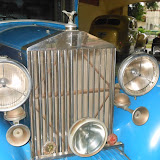
Vintage Car Museum – Auto World, Ahmedabad

One more landmark of Ahmedabad visited today – The Auto World: The Vintage Car Museum of Shri Pranlal Bhogilal. The finest and the famous vintage cars from all across the globe find a place here!
Aditya is crazy after cars, trains and planes – like any other boy! He loved Cars 2 – the wonderful car movie and today we decided to educate him with the Vintage Cars.
Auto World Car Museum
Shri Pranlal Bhogilal is a connoisseur of vintage cars. He has converted his private collection of vintage cars into a museum named Auto World Vintage Car Museum at Dastan Farm House. The Museum has a collection of more than 100 cars. The cars are amazing and lovely. One could find all the best cars of the world – Rolls Royce, Bentley, Maybach, Jaguar, Cadillacs, Austin, Chrysler, Lincoln, Ford and many many more. Each car is in a perfect driving condition. In fact, you can even drive them by paying a hefty fee – Rs 500 for 3.5 km drive in a historic car!
The Museum showcases that time of history when an automobile was not a mere means of transport but a symbol of wealth, power & style. The Museum has all of them – the mighty ceremonial limousines, the romantic convertibles & the snappy Sports Cars; Cars specially coach built like Railway Saloons, Horse drawn carriages, Boat tailed Wooden Speedsters, Shooting Brakes; Cars built for the rich & famous; Cars to see and be seen in. They are all hand built to individual specifications of the buyer. Here are special cars like Limousines & Grand open Tourers for ceremonial Occasions, there are convertible cars for evening drives, there are station wagons like boats as well as like a horse drawn carriage especially built for the family’s evening drives.
The Vintage cars are a part of history. I was happy to see the Ford’s Model T – the one that is discussed again and again. These cars are collected from different regions and many were with Indian Maharajas. All these cars are work of perfect craftsmanship. Each one is a beauty and the curves are indeed enticing! Many had multiple headlights. One even had a place for a gun! Our today’s cars are replicas of each other and carry no individuality or uniqueness. That is true of everything in the manufactured economy – Shirts, Cars, Shoes, and Houses!
The Museum is well maintained. It also has a fun place for kids with fun rides. It has a good restaurant serving Gujarati Thali. The best time to visit is the daytime. Savor the history of cars, walk around and then have a heavy lunch!
Address :
Dastan Estate,
Sardar Patel Ring Road,
Kathwada,
Ahmedabad-382430,
Gujarat, India
Phone: +91 79 22820699
JOIN US:
EVERGREEN GUJARAT


Towering at 182m, the Statue of Unity will be the largest statue in the world!
જય જય ગરવી ગુજરાત
join us:
evergreen gujarat
DID U KNOW?
DID U KNOW?

Friday, 27 September 2013

In the Shalmaji area of# Gujarat region, a famous fair called Kartik Purnima is held in #November. It continues for about two weeks and highly patronized by the Gujarati tribes. Various musical instruments of the localities namely Manjira, Bungal, Turi, Pava, Ravan Hattho, Ektaro, and Jantar, etc. assist the musical performance. Be here to witness its magic. — at Shamlaji.
join us:
evergreen gujarat
Woodcarving is an ancient art of the state, which has attained a very high standard of technical skill. Some of the best examples of woodcarvings are found in #temples and houses in many parts of #Gujarat. Saurashtra and Sanked in the #Vadodara district are also known for their lacquer work.
join us:
evergreen gujarat
Woodcarving is an ancient art of the state, which has attained a very high standard of technical skill. Some of the best examples of woodcarvings are found in #temples and houses in many parts of #Gujarat. Saurashtra and Sanked in the #Vadodara district are also known for their lacquer work.
join us:
evergreen gujarat

Sunday, 22 September 2013

શ્રી આરાસુરી – અંબાજી માતા દેવસ્થાન

અંબાજી

ગુજરાતની ઉત્તર દિશામાં રાજસ્થાનની સરહદ પાસે અને અરવલ્લીના પહાડોની વચ્ચે આવેલું અંબાજી ખૂબ જ મશહૂર યાત્રાધામ ગણાય છે. પુરાણોમાં લખ્યું છે કે અહીં અંબિકાવન હતું. અંબાજી એ સમુદ્ર સપાટીથી ૧૫૮૦ ફીટની ઉંચાઇ ઉપર અરવલ્લીના પહાડોની વચ્ચે વસેલું છે. અંબાજી મંદિરમાં કોઇ દેવીની મૂર્તિની પૂજા થતી નથી. પરંતુ વીસાયંત્રની પૂજા કરાય છે. આ યંત્ર માન્યતા અનુસાર શ્રીયંત્ર છે જે ઉજ્જૈન તેમ જ નેપાળના શક્તિપીઠોના મૂળ યંત્ર સાથે સંકળાયેલું હોવાનું અને યંત્રમાં એકાવન અક્ષર હોવાનું પ્રમાણ છે. આ યંત્રની દર મહિનાની આઠમે પૂજા થાય છે. આ તીર્થક્ષેત્રમાં બારે માસ યાત્રીઓ દર્શન માટે આવતાં હોય છે. દર માસની પુનમે બહુ મોટી સંખ્યામાં યાત્રિકો અહીં આવે છે અને મંદિરના શિખર ઉપર ધજા ચઢાવે છે. ધાર્મિક રીતે અંબાજી ભારતની શક્તિપીઠમાં મહત્વનું સ્થાન ધરાવે છે. આ વિસ્તાર સરસ્વતી નદીનું ઉદગમસ્થાન અને આદ્યશક્તિનું પુરાણપ્રસિધ્ધ સ્થાન છે. અંબાજીથી બે કિલોમીટર દૂર ગબ્બરના પહાડ આવેલી ગુફામાં અંબામાતાનું આદિસ્થાન મનાય છે. અંબાજીમાં નવરાત્રિનો ઉત્સવ ખૂબ જ ધામધૂમથી ઉજવાય છે. દર ભાદરવી પુનમે અહીં મેળો ભરાય છે અને યાત્રિકો અંબાજી યાત્રાધામના દર્શને પગપાળા આવી પોતાને ધન્ય માને છે. મંદિરની નજીક આવેલ વિશાળ સ્થાપત્ય કલાનું બેનમૂન વર્ષો પુરાણું માન સરોવર આવેલું છે. જ્યાં કૃષ્ણ ભગવાનની ચૌલ ક્રિયા કરવામાં આવી હોવાનું માનવામાં આવે છે.[૧]
અંબાજીના મંદિરમાં કાંઈ વિશેષતા નથી. પરંતુ તેની માન્યતા તથા શ્રદ્ધા લોકોમાં વિશેષ જોવા મળે છે. મૂળ આ મંદિર વર્ષો પહેલા બેઠા ઘાટનું નાનું હતું, પરંતુ જેમ જેમ સમય પસાર થતો ગયો તેમ તેમ સુધારા સાથે અત્યારે આ મંદિર તેની સર્વોચ્ચ ઉંચાઈને સર કરે તેવું અને ભવ્યાતિ ભવ્ય મંદિરના ટ્સ્ટ્રીઓ દ્વારા બનાવવામાં આવ્યું છે.[૨] અત્યારે તો મંદિરની ઉપરનો કળશ સંપૂર્ણ સોનામાંથી બનાવવામાં આવ્યો છે. મંદિરની આગળ મોટો મંડપ છે અને ગર્ભગૃહમાં માતાજીનો ગોખ છે. ખાસ વાત યાદ રાખવા જેવી એ છે, કે આટલી મોટી સંખ્યામા અહી યાત્રાળુઓ આવે છે પરંતુ તેમને કદાચ એ વાતની ખબર નહી હોય કે માતાજીના અસલ સ્થાનકમાં માતાની મૂર્તિ નથી, પણ ગોખમાં એવી રીતે વસ્ત્ર અલંકારો તથા આભુષણો ગોઠવવામાં આવે છે કે જેથી કરીને દર્શન કરનારને સવાર, બપોર ને સાંજે જાણે કે વાધ ઉપર માતાજી બેઠાં હોય એવા જુદી જુદી જાતના દર્શન થાય છે. બિલકુલ આ માતાજી આગળ વર્ષોથી ધીના બે અખંડ દીવા બળે છે.
માતાજીના દર્શન સવારે અંદરનું બારણુ ઉઘડતાં થાય છે. સવારે અને સાંજે એમ બે વખત કરવામાં આવતી આરતીના સમયે પણ દર્શન થાય છે. વર્ષો પહેલા બ્રાહ્મણો અંદર જઈને માતાજીની પુંજા કરી શકતા હતાં. હાલના સમયમાં માત્ર પુજારીઓ જ અંદર જાય છે. બાકીના વખતે તો પણ બહાર રહી આખો દિવસ દર્શન થઈ શકે છે. મંદિરમાં અંદરના ખંડને જાળીવાળા રૂપાના પતરાં મઢેલા બારણા છે, મંદિરના આગલા ભાગ ઉપર ધાબુ છે અને તેના ઉપર ત્રણ શીખર છે.
અંબાજીના મંદિરની સામી બાજુએ ચાચરનો ચોક છે. માતાજીને ચાચરના ચોક વાળી પણ કહેવામાં આવે છે. આ ચાચરના ચોકમાં હોમહવન કરવામાં આવે છે. યાત્રાળુઓ હવન વખતે પુષ્કળ ઘી હોમે છે.
 મેળાઓ
અંબાજીમાં વર્ષે બે થી ત્રણ મેળાઓ ભરાય છે અને મેળા વખતે ભવાઈ ભજવવામાં આવે છે. અંબાજીમાં માન્યાત નાગર જેવી સંસ્કારી કોમ ઘણી હોવા છતાં ભવાઈનો રિવાજ ચાલુ છે.

કથા

આરાસુરનું અંબાજીનું મંદિર દંતકથામાં શ્રીકૃષ્ણ થીયે જુના કાળનું મનાય છે. શ્રીકૃષ્ણ પોતાના બાળમોવાળા આ ઠેકાણે ઉતરાવવા આવ્યા હતા તેવું મનાય છે. અને રૂક્મણિએ આ માતાજીની પૂજા કરી હતી તેવું મનાય છે. જો આ દંતકથાઓને છોડીને ઐતિહાસિક પુરાવાઓ તપાસીએ તો,માનસરોવરના કિનારા ઉપરના મંદિરમાં મહારાણા શ્રી માલદેવનો વિ.સ. 1415 (ઈ.સ. 1359) નો લેખ મળે છે. અંબાજીના મંદિરના અંદરના મંડપના દ્રારમાં એક સ. 1601 નો લેખ છે. તેમાં રાવ ભારમલ્લીની રાણીએ માતાને કેટલીક વસ્તુઓ અર્પણ કર્યાની લેખો છે, તે 16 માં શકતના છે. એક બીજા સં. 1779 ના લેખમાં એક ધર્મશાળા બંધાયાની વિગત છે. મતલબ કે. ઈ.સ. 14 માં શતકથી તો આરાસરુનાં અંબાજીની માન્યાતા સતત ચાલી આવે છે. પણ તે પહેલાના બસો-ત્રણસો વર્ષથી આ સ્થાનનો મહિમાં ચાલું હોવાનો સંભવ છે. કારણ કે અંબાજીની નજીકમાં કુંભારીઆ કરીને એક ગામ છે.આ ગામમાં વિમળ શાહના ધોળા આરસ પહાણનાં જૈન દેરાસરો છે .આ દેરાસરો વિષે એવી દંતકથાઓ છે કે અંબાજીએ આપેલા ધનથી આ જગ્યાએ વિમળ શાહે 360 દેરાસરો બંધાવ્યા,પણ માતાજીએ પૂછ્યું કે,આ દહેરા કોના પ્રતાપથી પ્રતાપી ? ત્યારે વિમળશાહે જવાબ આપ્યો કે ગુરૂના પ્રતાપથી. આ જવાબથી ગુસ્સે થઈને માતાજીએ દેરા બાળી નાંખ્યા. અને માત્ર પાંચ રહેવા દીધા.
દેવી ભગવતીની કથા અનુસાર મહિષાસુરે તપ કરી અગ્નિદેવને પ્રસન્ન કર્યા, એમણે વરદાન આપ્યું કે નરજાતિના નામવાળા શસ્ત્રોથી તેને મારી શકાશે નહી. આ વરદાનથી તેણે દેવોને હરાવી દીધા અને ઇન્દ્રાસન જીત્યું તથા ઋષિઓના આશ્રમોનો નાશ કર્યો. પછી વિષ્ણુલોક અને કૈલાસ જીતવાનું નક્કી કર્યું. આથી દેવોએ ભગવાન શિવની મદદ માંગી. ભગવાન શિવે મદદ માટે દેવી શક્તિની આરાધના કરવા દેવોને જણાવ્યું દેવોએ તેમ કરતાં આદ્યશક્તિ પ્રગટ થયા અને તેમણે મહિષાસુરનો નાશ કર્યો. તેથી દેવી મહિષાસુર-મર્દિની તરીકે ઓળખાયા.
બીજી એક કથા મુજબ સીતાજીની શોધ કરતાં રામ અને લક્ષ્મણ આબુ પર્વતના જંગલની દક્ષિણે આવેલા શ્રૃંગી ઋષિના આશ્રમે આવ્યા. ઋષિએ તેમને અંબાજીની આરાધના કરવા કહ્યું. રામ અને લક્ષ્મણે આરાધના કરી, દેવોએ પ્રસન્ન થઇ અજય નામનું એક બાણ આપ્યું જેનાથી રામે રાવણનો નાશ કર્યો.
દ્વાપરયુગમાં શ્રીકૃષ્ણની બાબરી ઉતારવાની વિધી માટે નંદ અને યશોદા ગબ્બર આવ્યા હોવાનું અને ત્રણ દિવસ રોકાઇને ભગવાન શિવ તથા અંબાજીની પૂજા-અર્ચના કરી હોવાનું એક કથામાં વર્ણન છે.

join us:
EVERGREEN GUJARAT

Tuesday, 10 September 2013

જાણો ગણપતિના મુખ્ય બાર નામ અને ચાર અવતાર વિશે.............

છેલ્લા કેટલાક સમયથી લોકો ગણેશ ચતુર્થીની રાહ જોઇ રહ્યા હતા તે દિવસ આજે આવી ગયો છે. 'ગણેશ'ના નામનો શાબ્દિક અર્થ ભયાનક અથવા ભયંકર હોય છે કારણ કે ગણેશની શારીરિક રચનામાં મુખ હાથીનું તો ધડ પુરુષનું છે. સાંસારિક દ્રષ્ટિથી આ વિકટ સ્વરૂપ માનવામાં આવે છે.

જો કે એ વાત પણ સત્ય છે કે ધર્મ અને અધ્યાત્મની દ્રષ્ટિએ આમાં અનેક ગૂઢ સંદેશ છૂપાયેલા છે. ગણપતિ આદિદેવ ગણાય છે જેમણે દરેક યુગમાં અવતાર લીધો હોવાનું પણ માનવામાં આવે છે.


ગણપતિના ચાર અવતાર


૧) સતયુગમાં રૂષિ કશ્યપ અને અદિતિને ત્યાં ‘મહોત્કત વિનાયક’ રૂપે જન્મી,દેવાન્તક અને નરાન્તક નામક રાક્ષસોનાં વધની કથા છે.


૨) ત્રેતાયુગમાં ભાદરવા માસની,શુકલપક્ષ ચતુર્થીનાં ‘ઉમા’ને ત્યાં “ગુણેશ” રૂપે જન્મી,સિંધુ નામક રાક્ષસના વધ અને બ્રહ્માનીં પૂત્રીઓ સિદ્ધિ અને બુદ્ધિ સાથે લગ્નની કથા છે.


૩) દ્વાપરયુગમાં ‘પાર્વતી’ને ત્યાં “ગણેશ” રૂપે જન્મની કથાતો જાણીતીજ છે.


૪) કલિયુગમાં,”ભવિષ્યપૂરાણ” મુજબ ‘ધુમ્રકેતુ’ કે ‘ધુમ્રવર્ણા’ રૂપે અવતાર થવાની કથા મળે છે.


બાર નામ


ગણેશજી ના અનેક નામ છે પરંતુ આ ૧૨ નામ મુખ્ય છે-


સુમુખ, એકદંત, કપિલ, ગજકર્ણક, લંબોદર, વિકટ, વિઘ્નહર્તા, વિનાયક, ધૂમ્રકેતુ, ગણાધ્યક્ષ, ભાલચંદ્ર, ગજાનન.


પિતા- ભગવાન શિવ

માતા- ભગવતી પાર્વતી
ભાઈ- શ્રી કાર્તિકેય
બહેન- માઁ સંતોષી (અમુક લોકો માને છે,પ્રમાણીત કરાયેલ નથી)
પત્ની- બે ૧.રિદ્ધિ ૨. સિદ્ધિ (દક્ષિણ ભારતીય સંસ્કૃતિમાં ગણેશજી બ્રહ્મચારી રૂપે દર્શાવાય છે.)
પુત્ર- બે ૧. શુભ ૨. લાભ
પ્રિય ભોગ (મિષ્ઠાન્ન)- મોદક, લાડુ
પ્રિય પુષ્પ- લાલ રંગનાં
પ્રિય વસ્તુ- દુર્વા (દૂબ) શમી-પત્ર
અધિપતિ- જલ તત્વનાં
પ્રમુખ અસ્ત્ર- પાશ, અંકુશ
 

.JOIN US...
evergreengujarat.blogspot.in


Sunday, 8 September 2013

.
Ganesh Chaturthi
Ganesh Chaturthi is one of the most popular festivals of Hindu. This is the birthday of Lord Ganesha. It is the day most sacred to Lord Ganesha. It falls on the 4th day of the bright fortnight of Bhadrapada (August-September). It is observed throughout India, as well as by devoted Hindus in all parts of the world.
Clay figures of the Deity are made and after being worshipped for two days, or in some cases ten days, they are thrown into water.
Lord Ganesha is the elephant-headed God. He is worshipped first in any prayers. His Names are repeated first before any auspicious work is begun, before any kind of worship is begun.
He is the Lord of power and wisdom. He is the eldest son of Lord Shiva and the elder brother of Skanda or Kartikeya. He is the energy of Lord Shiva and so He is called the son of Shankar and Umadevi. By worshipping Lord Ganesha mothers hope to earn for their sons the sterling virtues of Ganesha.
One of the most popular Gods in India, lord Ganesh or Ganpati is considered a symbol of wisdom and a bringer of good luck. It is said that his elephant head epitomises everything related to wisdom-small shrewd eyes, long ears that miss nothing, a long nose that can smell out anything fight and his vehicle, a mouse, reflects how much importance a wise man gives to the smallest of life forms. 
જ્યાં જ્યાં વસે ગુજરાતીઓ, ત્યાં ત્યાં વસે એક ગુજરાત"
આપણે દુનિયા ના કોઈ પણ ખૂણે રહીયે પણ આપણી સંસ્કૃતિ, તહેવારો, રીવાજ,રીતભાત નથી ભૂલતા.
જો તમે ગુજરાતી છો અને ગુજરાતી ભાષા પ્રત્યે કઈક અલગ યોગદાન આપવા માંગતા હો તો ચાલો આપડે બધા ભેગા મળીને એક ગુજરાતીઓ નો મોટો પરીવાર બનાવીયે અને આપણી માત્રુભાષાને વિશ્વ સુધી પહોંચાડીયે..!!
તમારા મિત્રો ને પણ આપણા પરીવારમા જોડાવાનુ કહો અને અહી આપણા પરીવારના વિચારો તમારા મિત્રો સાથે પણ સેર કરો..!

ફેસબુક પર ગુજરાતી સંસ્કૃતિ તથા રીતરિવાજ, તહેવારો ની મજા ફેક્બુક પર માણતા રહો,

આભાર.
gujarat famous place,
plz share n like

join us: evergreengujarat.blogspot.in
 

History of Ganesh Chaturthi

Before 1893, Ganesh Chaturthi used to be an important family festival during the Peshwa rule in Maharashtra, but that year, Indian freedom fighter and social reformer Lokmanya Tilak transformed the annual festival into a large, well-organized public event.
Tilak recognized the wide appeal of the deity Ganesh as “the god for everybody”, and popularized Ganesh Chaturthi as a national festival in order “to bridge the gap between Brahmins and ‘non-Brahmins’ and find a context in which to build a new grassroots unity between them”, and generate nationalistic fervor among people in Maharashtra against the British colonial rule.
Tilak encouraged installation of large public images of Ganesh in pavilions, and also established the practice of submerging in rivers, sea, or other pools of water all public images of the deity on the tenth day after Ganesh Chaturthi.
Under Tilak’s encouragement, the festival facilitated community participation and involvement in the form of intellectual discourses, poetry recitals, performances of plays, musical concerts, and folk dances. It served as a meeting ground for people of all castes and communities in times when, in order to exercise control over the population, the British discouraged social and political gatherings.
- See more at: http://www.gujaratiinfo.com/history-of-ganesh-chaturthi/#sthash.GUpQtTnP.dpuf

History of Ganesh Chaturthi

Before 1893, Ganesh Chaturthi used to be an important family festival during the Peshwa rule in Maharashtra, but that year, Indian freedom fighter and social reformer Lokmanya Tilak transformed the annual festival into a large, well-organized public event.
Tilak recognized the wide appeal of the deity Ganesh as “the god for everybody”, and popularized Ganesh Chaturthi as a national festival in order “to bridge the gap between Brahmins and ‘non-Brahmins’ and find a context in which to build a new grassroots unity between them”, and generate nationalistic fervor among people in Maharashtra against the British colonial rule.
Tilak encouraged installation of large public images of Ganesh in pavilions, and also established the practice of submerging in rivers, sea, or other pools of water all public images of the deity on the tenth day after Ganesh Chaturthi.
Under Tilak’s encouragement, the festival facilitated community participation and involvement in the form of intellectual discourses, poetry recitals, performances of plays, musical concerts, and folk dances. It served as a meeting ground for people of all castes and communities in times when, in order to exercise control over the population, the British discouraged social and political gatherings.
- See more at: http://www.gujaratiinfo.com/history-of-ganesh-chaturthi/#sthash.GUpQtTnP.dpuf

History of Ganesh Chaturthi

Before 1893, Ganesh Chaturthi used to be an important family festival during the Peshwa rule in Maharashtra, but that year, Indian freedom fighter and social reformer Lokmanya Tilak transformed the annual festival into a large, well-organized public event.
Tilak recognized the wide appeal of the deity Ganesh as “the god for everybody”, and popularized Ganesh Chaturthi as a national festival in order “to bridge the gap between Brahmins and ‘non-Brahmins’ and find a context in which to build a new grassroots unity between them”, and generate nationalistic fervor among people in Maharashtra against the British colonial rule.
Tilak encouraged installation of large public images of Ganesh in pavilions, and also established the practice of submerging in rivers, sea, or other pools of water all public images of the deity on the tenth day after Ganesh Chaturthi.
Under Tilak’s encouragement, the festival facilitated community participation and involvement in the form of intellectual discourses, poetry recitals, performances of plays, musical concerts, and folk dances. It served as a meeting ground for people of all castes and communities in times when, in order to exercise control over the population, the British discouraged social and political gatherings.
- See more at: http://www.gujaratiinfo.com/history-of-ganesh-chaturthi/#sthash.GUpQtTnP.dpuf

History of Ganesh Chaturthi

Before 1893, Ganesh Chaturthi used to be an important family festival during the Peshwa rule in Maharashtra, but that year, Indian freedom fighter and social reformer Lokmanya Tilak transformed the annual festival into a large, well-organized public event.
Tilak recognized the wide appeal of the deity Ganesh as “the god for everybody”, and popularized Ganesh Chaturthi as a national festival in order “to bridge the gap between Brahmins and ‘non-Brahmins’ and find a context in which to build a new grassroots unity between them”, and generate nationalistic fervor among people in Maharashtra against the British colonial rule.
Tilak encouraged installation of large public images of Ganesh in pavilions, and also established the practice of submerging in rivers, sea, or other pools of water all public images of the deity on the tenth day after Ganesh Chaturthi.
Under Tilak’s encouragement, the festival facilitated community participation and involvement in the form of intellectual discourses, poetry recitals, performances of plays, musical concerts, and folk dances. It served as a meeting ground for people of all castes and communities in times when, in order to exercise control over the population, the British discouraged social and political gatherings.
- See more at: http://www.gujaratiinfo.com/history-of-ganesh-chaturthi/#sthash.GUpQtTnP.dpuf

History of Ganesh Chaturthi

Before 1893, Ganesh Chaturthi used to be an important family festival during the Peshwa rule in Maharashtra, but that year, Indian freedom fighter and social reformer Lokmanya Tilak transformed the annual festival into a large, well-organized public event.
Tilak recognized the wide appeal of the deity Ganesh as “the god for everybody”, and popularized Ganesh Chaturthi as a national festival in order “to bridge the gap between Brahmins and ‘non-Brahmins’ and find a context in which to build a new grassroots unity between them”, and generate nationalistic fervor among people in Maharashtra against the British colonial rule.
Tilak encouraged installation of large public images of Ganesh in pavilions, and also established the practice of submerging in rivers, sea, or other pools of water all public images of the deity on the tenth day after Ganesh Chaturthi.
Under Tilak’s encouragement, the festival facilitated community participation and involvement in the form of intellectual discourses, poetry recitals, performances of plays, musical concerts, and folk dances. It served as a meeting ground for people of all castes and communities in times when, in order to exercise control over the population, the British discouraged social and political gatherings.
- See more at: http://www.gujaratiinfo.com/history-of-ganesh-chaturthi/#sthash.GUpQtTnP.dpuf